New York City · Cat coverage

Choosing the best cat insurance for NYC

Compare the policy with your cat’s records and the way your regular and emergency hospitals collect payment.

For an NYC cat, fit depends on the policy, medical history and clinic payment process.

Tabby cat beside its owner using a laptop on a sofa
✓ Policy-first ✓ Independent ✓ Useful checks
Direct answer
For an NYC cat, the best policy is one that covers the future medical risks you want to transfer, is offered for your New York address and fits your ability to pay the hospital. No evidence supports one universal winner for every cat in the city.

Neither is automatically the cheapest or best for your cat.

Decision guide

Decide the criteria before choosing a brand

NYC cat-owner priority What to verify A useful reason to reject a quote
An emergency hospital you can actually use Licensed-vet eligibility and the hospital’s payment process, including any direct-payment arrangement. The proposal assumes a payment method your likely hospital will not use.
Continuing illness care New chronic-condition benefits, medications, follow-up fees and renewal treatment. The services you care about are absent, capped too narrowly or excluded by the cat’s history.
Manageable owner contribution Deductible design, reimbursement calculation, limits and excluded charges. The required upfront amount or retained share exceeds the reserve you can maintain.
A valid New York offer Actual ZIP code, pet eligibility, legal underwriting entity and issued state form. A national marketing example is being treated as a confirmed New York policy.
Sustainable total price Annualized premium with the specific benefits you chose. An introductory price looks affordable only after removing important coverage.
What to know

Two starting options with a real difference

Option Verified distinction Who should investigate it further Important qualification
Trupanion Its cat materials describe a lifetime per-condition deductible and direct payment at participating hospitals. An owner for whom a verified checkout payment arrangement or condition-based deductible is important. Direct payment requires a participating hospital and eligible claim. Different new conditions can create separate deductibles.

This is a focused comparison of two verified New York offerings, not a complete market survey, price ranking or claim-satisfaction study. No personalized quotes were collected and no NYC hospital’s acceptance was tested. Treat the rows as reasons to investigate, not scores awarding a winner.

If direct payment is your deciding factor, ask your regular clinic and the emergency hospital you would use: “Can you submit this insurer’s claims for direct payment here, and what must I pay before treatment?” Confirm the answer with the insurer as well. A national feature does not establish that a particular Manhattan, Queens or Brooklyn hospital uses it.


Pet profile

Test the policy against a cat’s ongoing-care pattern

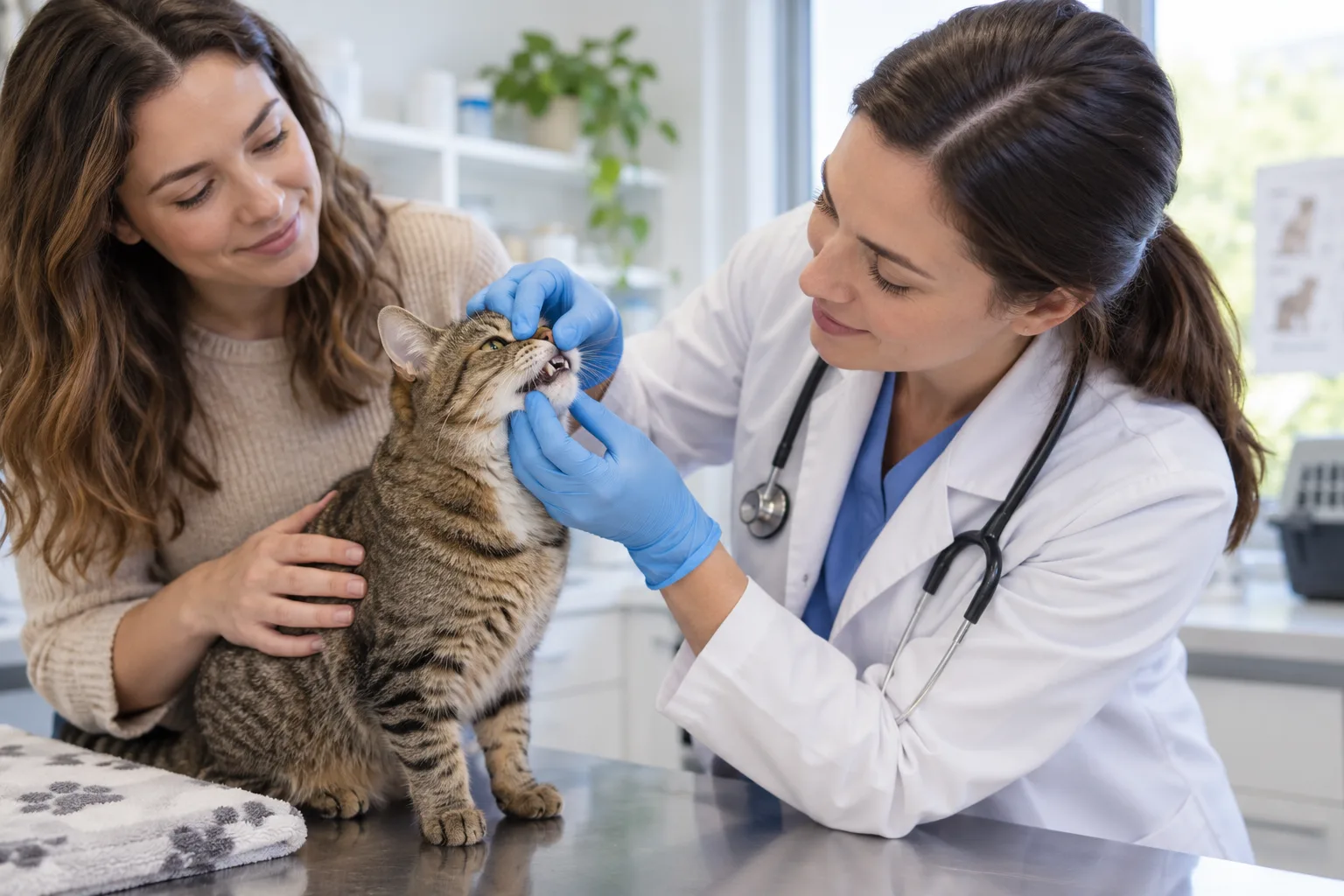
Veterinarian examining a cat while its owner provides support

Think beyond a single emergency invoice

An indoor cat can still need illness care. Cornell’s kidney-disease guidance illustrates why some feline conditions involve monitoring and repeated management rather than one finished procedure. That clinical information does not establish that an existing condition will be insured.

For a hypothetical new eligible chronic illness, ask about repeat tests, consultations, medications and the next policy term. Then separately check dental benefits and routine prevention. Do not assume that one illness-coverage label resolves every cat-care expense.

What to know

Make the New York checks concrete

Identify the insurer, not just the brand

Use the legal underwriting name shown on the offered documents in the New York DFS company search. DFS warns that appearing in its directory does not necessarily mean a company is currently writing business, so also confirm the actual pet offer.

Use the address where the cat lives

Price comparisons from another borough, ZIP code or state are not your quote. Keep the same cat, address and benefit settings when collecting offers; do not assume the city has one uniform premium.

Keep the medical record together

If care has been split among a regular practice, urgent-care clinic and specialty hospital, obtain all relevant records. Earlier symptoms from one practice can matter when another later supplies the diagnosis.

Save a complaint-ready record

If a claim dispute arises, request the insurer’s written reason and policy provision, follow its review process and retain invoices, records and correspondence. New York DFS provides a consumer complaint route if the issue remains unresolved.

What to know

An illustrative choice between two payment designs

Suppose a cat owner can comfortably prepay a hospital bill but wants one annual deductible across unrelated eligible conditions. That owner should examine an annual-deductible reimbursement product and price the needed benefits. Another owner prioritizes a hospital-confirmed direct-payment process and is willing to evaluate a per-condition deductible. That owner has a different shortlist criterion.

Neither scenario produces a winner without the actual premiums and policy terms. A per-condition deductible can behave differently from an annual deductible over repeated care for one problem versus several unrelated problems. Ask for examples using your offered contract, not a generic comparison calculator.

Decision guide

A short NYC shortlist checklist

  • Confirm enrollment for your cat’s actual age, medical history and New York address.
  • Ask the regular and likely emergency hospital about deposits and any insurer-specific payment arrangement.
  • Write down the eligible ongoing-care benefits, exam-fee treatment and dental rules.
  • Compare total annual premium and a hypothetical eligible bill using each plan’s actual formula.
  • Choose only after reading the New York documents and any endorsements, then keep the files with the cat’s records.
FAQ

Questions behind “best”

Only if its coverage and retained costs meet your objective. Staying indoors does not settle future illness costs, and the cheapest quote may omit services you care about.

No. A licensing directory is a verification tool, not a quality ranking or a personalized recommendation. You still need the current product offer and its terms.

The provider rules and the payment route are separate questions. Check the contract and ask whether you would need to pay first and seek reimbursement at that hospital.

Compare the policy before you choose Check the actual offer, exclusions and out-of-pocket terms.
See Rate Options